

Coffee is more than just a beverage—it’s a cultural experience, a daily ritual, and a global obsession. For true coffee lovers, exploring international coffee varieties offers a chance to taste the world, one cup at a time. From the bold richness of Turkish coffee to the silky smoothness of Vietnamese brews, this list will take you on a flavorful journey through the top 10 international coffees every enthusiast must try.
Whether you’re looking to expand your coffee palate or simply want to appreciate how different cultures prepare their brews, these international favorites are a great place to start.
In fact, just as Green Tea vs. Black Tea comparisons can teach tea lovers about flavor, origin, and health benefits, exploring global coffee styles will deepen your understanding and appreciation for the world’s most beloved bean.
1. Turkish Coffee – Turkey
An Ancient Tradition in Every Cup
Turkish coffee is one of the oldest and most iconic coffee brewing methods. Finely ground Arabica beans are simmered in a small copper pot called a cezve, often with sugar and sometimes cardamom. The coffee is not filtered, which results in a thick, strong, and unfiltered brew served in small cups.
Why Try It: The ritual behind Turkish coffee preparation is as rich as its flavor. It’s also recognized by UNESCO as a cultural heritage.
Flavor Profile: Intense, bold, sometimes spiced
2. Ethiopian Coffee – Ethiopia
The Birthplace of Coffee
Ethiopia is believed to be the birthplace of coffee, and its coffee culture is deeply rooted in tradition. Coffee beans are usually roasted over an open flame, ground fresh, and brewed in a jebena, a traditional clay pot. The Ethiopian coffee ceremony is a social event that can last for hours.
Why Try It: You’ll get to taste the origin of Arabica coffee in its purest, most ceremonial form.
Flavor Profile: Fruity, wine-like, floral with a medium body
3. Vietnamese Egg Coffee – Vietnam
A Sweet Surprise for Coffee Lovers
Vietnamese egg coffee (cà phê trứng) is made by whisking egg yolks with sugar and sweetened condensed milk, then pouring it over strong Vietnamese drip coffee. Though it sounds unusual, the result is a creamy, dessert-like drink.
Why Try It: It’s unlike any coffee you’ve had before—sweet, rich, and incredibly smooth.
Flavor Profile: Creamy, sweet, custard-like, balanced with strong Robusta coffee
4. Italian Espresso – Italy
A Classic in the Coffee World
Espresso is the heart of Italian coffee culture. In Italy, coffee is quick, strong, and always taken seriously. Italian espresso is brewed under high pressure, resulting in a concentrated shot with rich crema on top.
Why Try It: Italian espresso is the base for countless popular drinks like cappuccinos and lattes.
Flavor Profile: Intense, bold, bittersweet with a velvety finish
5. Swedish Fika Coffee – Sweden
More Than a Coffee Break
In Sweden, coffee is central to the concept of fika—a moment to slow down and connect with others. Swedish coffee is typically light-roasted and served with pastries or sandwiches. The focus is on social interaction as much as on the beverage.
Why Try It: Experience a cultural tradition where coffee brings people together.
Flavor Profile: Mild, smooth, lightly acidic
6. Café de Olla – Mexico
A Cinnamon-Spiced Delight
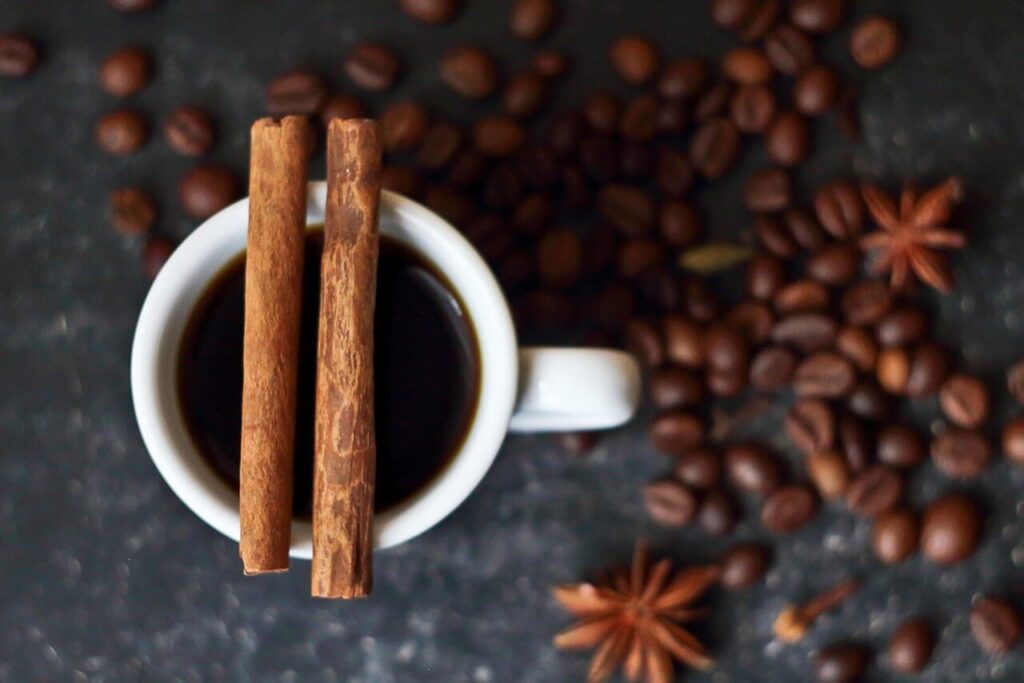
Café de olla is a traditional Mexican coffee brewed with cinnamon, cloves, and piloncillo (unrefined sugar). It is traditionally prepared in a clay pot, which adds a rustic flavor to the brew.
Why Try It: A warming, comforting coffee perfect for cold days or festive gatherings.
Flavor Profile: Sweet, spiced, earthy
7. French Press Coffee – France
Full-Bodied Elegance in Every Sip
Although the French press is popular worldwide, it originated in France. This immersion brewing method allows for maximum flavor extraction and a thicker body. It’s simple yet refined.
Why Try It: Easy to brew at home and perfect for enjoying the full complexity of your beans.
Flavor Profile: Rich, full-bodied, sometimes oily, depending on the roast
8. Greek Coffee – Greece
Foamy and Flavorful
Similar to Turkish coffee but slightly different in texture and preparation, Greek coffee is brewed in a briki and served in a demitasse cup. It’s known for its foam (kaimaki) and is meant to be sipped slowly.
Why Try It: It’s not just a drink—it’s a chance to slow down and savor each moment.
Flavor Profile: Strong, smooth, slightly bitter, often sweetened
9. Café Cubano – Cuba
Sweet and Strong Espresso
Cuban coffee, or Café Cubano, is made by brewing espresso and mixing it with sugar during the brewing process. This creates a thick, sweet layer of foam called espuma. It’s a staple in Cuban culture and is often enjoyed in social gatherings.
Why Try It: It’s a bold yet sweet variation of espresso with serious personality.
Flavor Profile: Strong, sugary, caramel-like

10. Indonesian Kopi Tubruk – Indonesia
Rustic and Traditional
Kopi Tubruk is a popular Indonesian coffee that is simple yet bold. It involves boiling coarse coffee grounds directly in water and letting them settle before drinking. No filters or fancy equipment required.
Why Try It: It’s rustic, affordable, and deeply rooted in Indonesian daily life.
Flavor Profile: Bold, slightly gritty, with earthy undertones
Tips for Exploring International Coffees at Home
- Start with Fresh Beans: Buy from trusted roasters or importers who specialize in single-origin beans.
- Invest in the Right Gear: A French press, cezve, moka pot, or pour-over kit can help you recreate authentic brewing styles.
- Experiment with Add-ins: Try spices like cardamom or cinnamon to replicate traditional recipes.
- Pair with Local Snacks: Enhance the cultural experience by enjoying your coffee with regional treats (e.g., biscotti with espresso or Mexican pan dulce with café de olla).
Why International Coffee Matters to Your Palate
Exploring international coffee helps you appreciate the subtle differences in flavor, aroma, and brewing technique that arise from regional traditions, bean types, and roasting methods. Moreover, it builds a greater connection with the global coffee community and supports fair-trade and ethical sourcing when done thoughtfully.
By trying global brews, you’re not only satisfying your taste buds—you’re also supporting the preservation of cultural identities tied to coffee.
Conclusion
Coffee is a universal language spoken in countless ways around the world. From the ceremonious Ethiopian brew to the indulgent Vietnamese egg coffee, each international style offers a new perspective and taste experience. If you’re a true coffee lover, trying these top 10 global coffees should be at the top of your bucket list.
Each cup tells a story, reflects a tradition, and brings people together—one sip at a time.