

Tea is more than just a comforting beverage—it’s a centuries-old tradition enjoyed by cultures around the globe. Two of the most consumed types are green tea and black tea, both derived from the same plant (Camellia sinensis) but processed in different ways. Whether you’re new to tea or a seasoned sipper, understanding the differences between these two popular varieties can help you choose the perfect brew to suit your lifestyle and palate.
While both teas are steeped in history and flavor, their health benefits, taste profiles, and brewing techniques vary greatly. In fact, selecting between the two often comes down to personal health goals and flavor preferences. Learning how they differ can enhance your appreciation for the art of tea—and, in many cases, lead to better brewing experiences.
Just like exploring global Coffee and Tea Techniques can open your taste buds to new experiences, understanding the nuances of green and black tea can transform your daily cup into a mindful ritual.
1. What Is Green Tea?
Minimal Oxidation, Maximum Nutrients
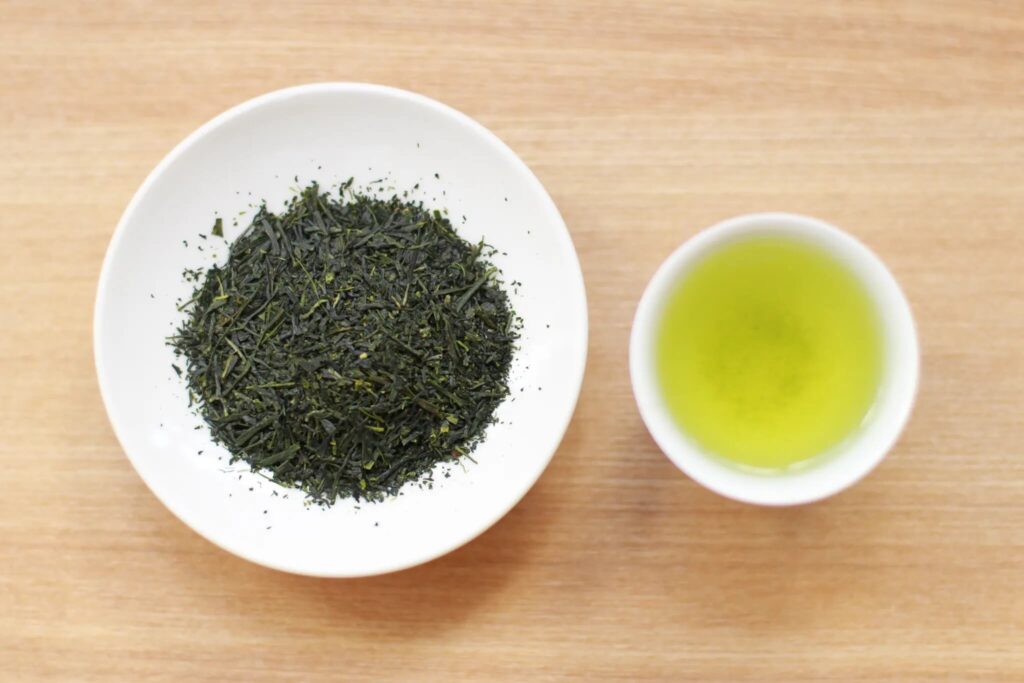
Green tea is made by quickly steaming or pan-firing freshly harvested tea leaves. This minimal oxidation helps retain the leaves’ natural green color and high levels of antioxidants. Originating in China and Japan, green tea has become synonymous with wellness.
Popular Types of Green Tea:
- Sencha (Japan): Light, grassy, and slightly sweet
- Dragon Well (China): Nutty and smooth
- Matcha (Japan): Powdered, bright, and rich in umami

2. What Is Black Tea?
Fully Oxidized for Bold Flavor
Black tea undergoes full oxidation, turning the leaves dark brown or black. This process develops stronger flavors and richer color. It is the most widely consumed tea type in the world, especially popular in the West.
Popular Types of Black Tea:
- Assam (India): Malty and strong
- Darjeeling (India): Floral and musky
- Earl Grey (UK): Infused with bergamot oil, citrusy and aromatic
3. Nutritional Comparison: Green Tea vs. Black Tea
Although both types of tea offer health benefits, they differ slightly in composition:
| Nutrient/Property | Green Tea | Black Tea |
|---|---|---|
| Caffeine | 20–35 mg per cup | 40–70 mg per cup |
| Antioxidants | High in catechins (EGCG) | Rich in theaflavins and thearubigins |
| L-Theanine | Moderate | Lower than green tea |
| Calories | 0 (unsweetened) | 0 (unsweetened) |
4. Health Benefits of Green Tea
1. Rich in Antioxidants
Green tea is loaded with catechins like EGCG (epigallocatechin gallate), known for their strong antioxidant and anti-inflammatory effects. These compounds help fight oxidative stress and cellular damage.
2. Supports Heart Health
Studies suggest that green tea may reduce LDL cholesterol and lower blood pressure, both important for heart health.
3. May Aid Weight Loss
Some research indicates that green tea boosts metabolism and increases fat burning, making it a popular supplement in many weight management plans.
4. Brain-Boosting Potential
The caffeine and L-theanine combo in green tea provides a balanced mental lift—promoting focus without jitters.
5. Health Benefits of Black Tea
1. Antioxidant Power
Black tea contains theaflavins and thearubigins, which have antioxidant properties and support cardiovascular health.
2. Promotes Gut Health
The polyphenols in black tea may promote the growth of beneficial gut bacteria while inhibiting harmful ones.
3. Energy and Alertness
With its higher caffeine content, black tea offers a strong energy boost and improved alertness—without the intensity of coffee.
4. May Improve Blood Sugar Control
Some studies have linked black tea with reduced blood sugar levels, potentially benefiting those with type 2 diabetes.
6. Taste and Aroma: What’s the Difference?
The taste of green and black tea differs significantly due to their processing methods.
Green Tea Taste:
- Light, vegetal, and grassy
- Can be sweet, nutty, or umami-rich
- Best enjoyed without milk or sugar
Black Tea Taste:
- Bold, malty, and robust
- Can include notes of honey, spice, or citrus (especially flavored varieties)
- Often enjoyed with milk, sugar, or lemon
7. Brewing Tips: Green Tea vs. Black Tea
To enjoy the full flavor and benefits of each tea, follow these brewing tips:
Brewing Green Tea:
- Water Temperature: 160–180°F (70–82°C)
- Steep Time: 1–3 minutes
- Tips: Use cooler water to avoid bitterness. Avoid over-steeping.
Brewing Black Tea:
- Water Temperature: 200–212°F (93–100°C)
- Steep Time: 3–5 minutes
- Tips: Stronger brews are ideal for milk-based or sweetened teas.

8. Which One Is Better for You?
Ultimately, choosing between green tea and black tea comes down to your health goals, caffeine tolerance, and flavor preferences.
- For Weight Loss: Green tea may offer a slight edge due to EGCG and metabolism-boosting effects.
- For Energy: Black tea has more caffeine, which can be helpful in the morning or mid-afternoon.
- For Gut Health: Both support gut bacteria, but black tea polyphenols have been studied more in this area.
- For Antioxidants: Green tea contains more catechins; black tea has different but still potent polyphenols.
Many people choose to include both in their diet to get the best of both worlds.
9. Side Effects and Considerations
While both teas are generally safe, moderation is key:
- Caffeine Sensitivity: If you’re sensitive to caffeine, opt for decaffeinated versions or stick to one cup per day.
- Iron Absorption: Tea can interfere with non-heme iron absorption, so avoid drinking it with iron-rich meals.
- Additives: Sweeteners, flavorings, or excessive milk can reduce health benefits—especially in bottled teas.
10. Sustainability and Sourcing
When choosing tea, consider organic or fair-trade options to ensure you’re supporting ethical farming and production practices. Loose-leaf teas also tend to have higher quality and less packaging waste compared to bagged varieties.
Conclusion: Embrace Both for a Balanced Tea Lifestyle
Both green tea and black tea offer a multitude of benefits, each with its own unique flavor and wellness profile. Green tea is your go-to for gentle energy, antioxidants, and a clean, grassy flavor. Black tea, on the other hand, delivers a robust taste and a stronger caffeine kick—perfect for those early mornings or when you’re looking for a flavorful twist.
Incorporating a mix of both into your daily routine can provide variety, enjoyment, and balanced health benefits. Pair this knowledge with global Coffee and Tea Techniques and elevate your beverage experience to an international level.
So, brew mindfully, sip slowly, and explore the world—one cup at a time.