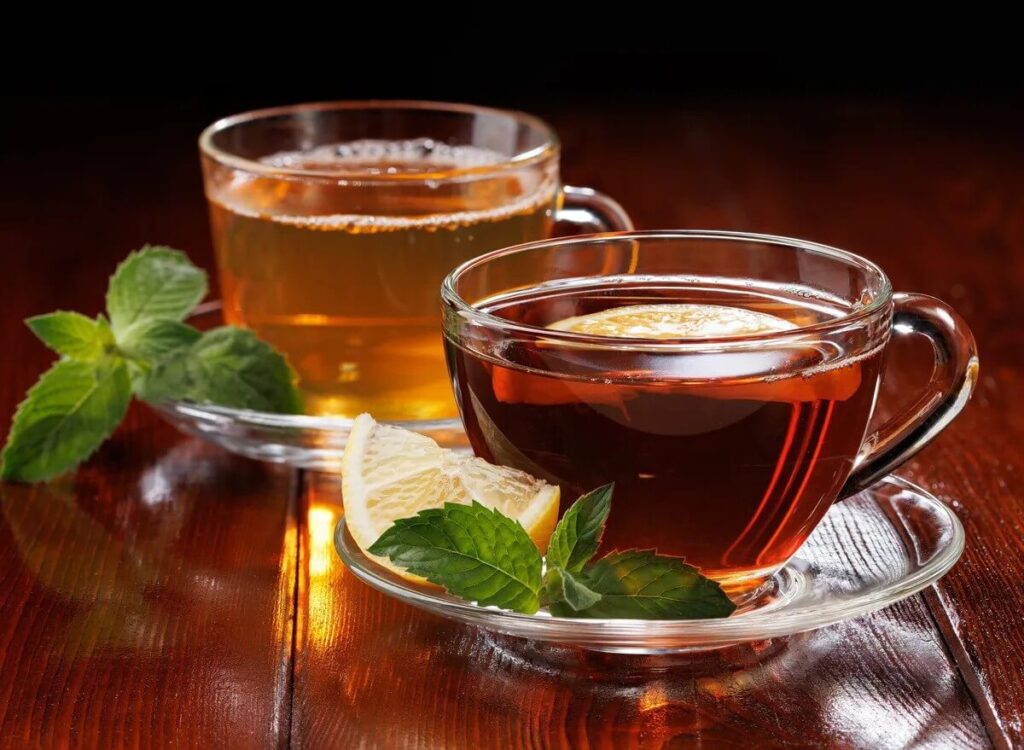
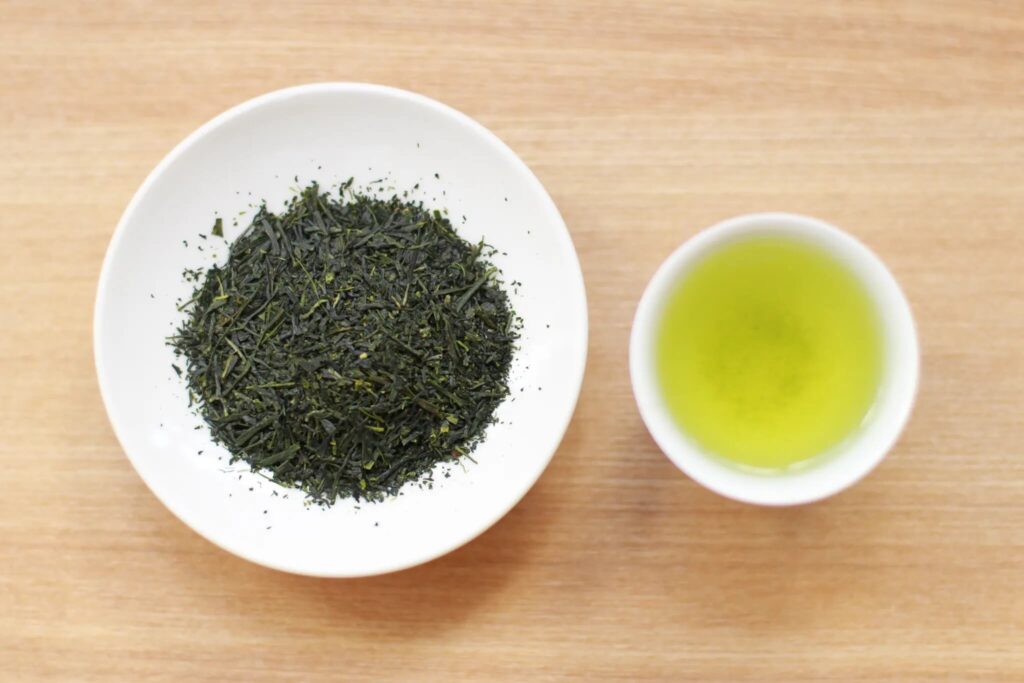
Brewing the perfect cup—whether coffee or tea—is more than just pouring hot water over leaves or grounds. Around the world, cultures have developed fascinating methods to extract flavor, aroma, and even emotion from these beverages. From the complex precision of Japanese tea ceremonies to the bold richness of Turkish coffee, global brewing techniques reveal both the art and science of preparation.
If you’re a beverage enthusiast looking to elevate your sipping experience, exploring international brewing traditions is a flavorful journey. And for those curious about global flavor profiles, check out our guide on Top International Coffees to discover exotic brews worth trying.
Let’s dive into the world’s most iconic brewing methods and learn how to bring those authentic flavors into your own kitchen.
1. Coffee Brewing Techniques from Around the Globe
1.1 Turkish Coffee – Bold, Thick, and Cultural
Originating from the Ottoman Empire, Turkish coffee is known for its fine grind and unfiltered style.
How it’s made:
- Finely ground Arabica beans are mixed with water (and sugar, if desired) in a small pot called a cezve.
- The mixture is slowly heated over low flame until it froths, just before boiling.
- It is poured directly into small cups without filtering, allowing the grounds to settle at the bottom.
Flavor profile: Bold, thick, and earthy with a foamy surface.
Pro tip: Don’t stir once poured—sip slowly and stop before the grounds!
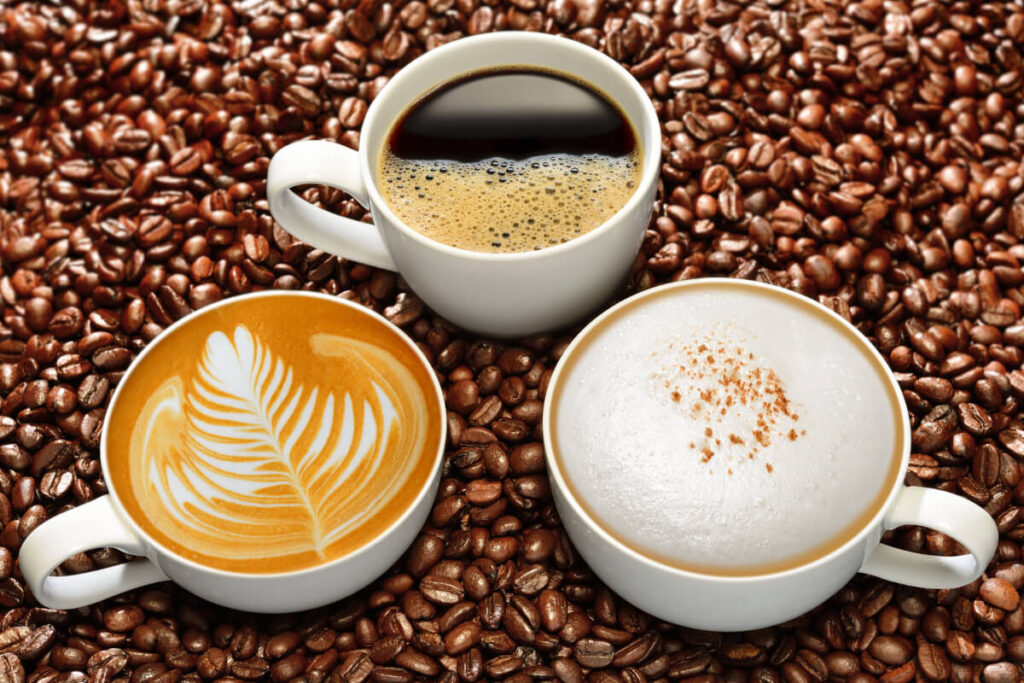
1.2 Italian Espresso – A Global Favorite
Espresso is the base of many beloved coffee drinks and central to Italy’s coffee culture.
How it’s made:
- Ground coffee is packed into a portafilter and brewed under high pressure using an espresso machine.
- Water temperature should hover around 195–205°F (90–96°C).
Flavor profile: Concentrated, rich, and aromatic.
Pro tip: Use freshly ground beans and serve in a pre-warmed demitasse cup for best results.
1.3 French Press – Simple Yet Sophisticated
The French press, or cafetière, is a staple in Europe and North America.
How it’s made:
- Coarse-ground coffee is steeped in hot water for 4 minutes.
- A metal mesh plunger is used to separate the grounds from the brewed coffee.
Flavor profile: Full-bodied and slightly oily due to no paper filtering.
Pro tip: Use a 1:15 coffee-to-water ratio and grind beans just before brewing.
1.4 Vietnamese Coffee – Strong and Sweet
Vietnamese coffee, often served iced, blends intensity with creamy sweetness.
How it’s made:
- Strong dark roast coffee is brewed using a small phin filter.
- Sweetened condensed milk is added at the bottom of the glass.
- The coffee slowly drips over the milk and is stirred before drinking.
Flavor profile: Sweet, rich, and bold.
Pro tip: Pour over ice for cà phê sữa đá—Vietnam’s famous iced coffee.
1.5 Cold Brew – The Modern Global Craze
Cold brew has taken the coffee world by storm for its smooth, mellow taste.
How it’s made:
- Coarse grounds are steeped in cold water for 12–24 hours.
- The liquid is then filtered and served over ice or mixed with milk.
Flavor profile: Smooth, low-acid, slightly sweet.
Pro tip: Use a dark roast for a deeper, chocolaty flavor profile.
2. Tea Brewing Techniques from Different Cultures
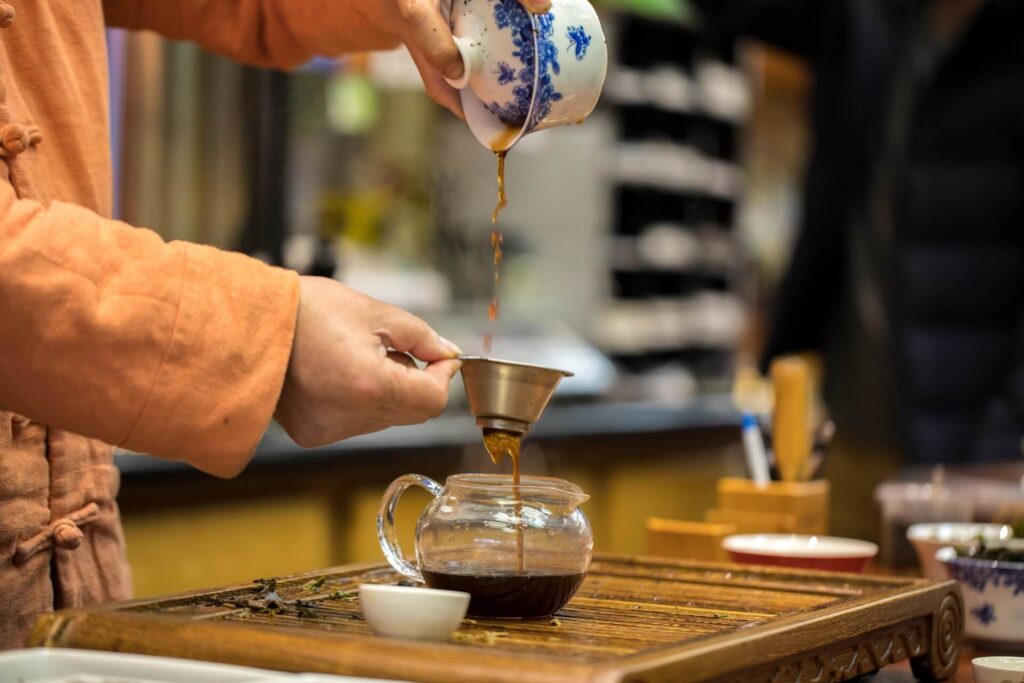
2.1 Chinese Gongfu Cha – A Ceremony of Precision
Gongfu tea brewing is a method of making tea with skill and care, especially oolong or pu-erh.
How it’s made:
- Small amounts of high-quality tea are brewed multiple times in a gaiwan or small teapot.
- Water temperature, steeping time, and pouring style are carefully controlled.
Flavor profile: Complex, evolving with each infusion.
Pro tip: Use filtered water and short infusions (10–30 seconds) for the first few brews.
2.2 Japanese Matcha – Whisked Elegance
Matcha is powdered green tea prepared with ritual in Japan’s tea ceremonies.
How it’s made:
- Sifted matcha powder is added to a tea bowl.
- Hot water (about 160°F or 70°C) is added, and the tea is whisked using a chasen (bamboo whisk).
Flavor profile: Grassy, umami-rich, and creamy.
Pro tip: Use a traditional whisking motion (M or W pattern) to create a frothy surface.
2.3 Indian Chai – Spiced and Comforting
Chai means tea in Hindi, but globally it refers to spiced milk tea.
How it’s made:
- Black tea is simmered with milk, sugar, and a spice blend including cardamom, ginger, cinnamon, and cloves.
- Everything is boiled together, then strained before serving.
Flavor profile: Spicy, sweet, and warming.
Pro tip: Adjust spice levels to your taste—ginger for heat, cardamom for sweetness.
2.4 Moroccan Mint Tea – A Symbol of Hospitality
This North African tea combines green tea with mint and sugar.
How it’s made:
- Green tea (often gunpowder) is brewed and steeped with fresh mint leaves.
- Generous sugar is added, and the tea is poured from a height to create foam.
Flavor profile: Refreshing, sweet, and minty.
Pro tip: Serve in small glasses and always offer more—it’s part of Moroccan culture.
2.5 British Black Tea – The Classic Cup
Britain’s love for tea is legendary, especially black teas like English Breakfast and Earl Grey.
How it’s made:
- Black tea is steeped in boiling water for 3–5 minutes.
- Milk and sugar are commonly added, especially for stronger blends.
Flavor profile: Robust and comforting.
Pro tip: Add milk after the tea has brewed to prevent curdling and maintain flavor clarity.
3. Water Matters: Temperature, Quality, and Ratio
Regardless of the method, water quality and temperature can make or break your brew:
| Beverage Type | Ideal Temp (°F) | Notes |
|---|---|---|
| Green Tea | 160–180°F | Too hot will make it bitter |
| Black Tea | 200–212°F | Boiling water is best |
| Coffee (General) | 195–205°F | Avoid using boiling water directly |
| Cold Brew | Room temp/cold | Requires longer steeping time |
Filtered water is preferred for consistent flavor. Additionally, correct ratios (like 1:15 for coffee or 1 tsp per 8 oz for tea) improve balance.
4. Tools That Improve Your Brew
While tradition is important, a few tools can elevate your results:
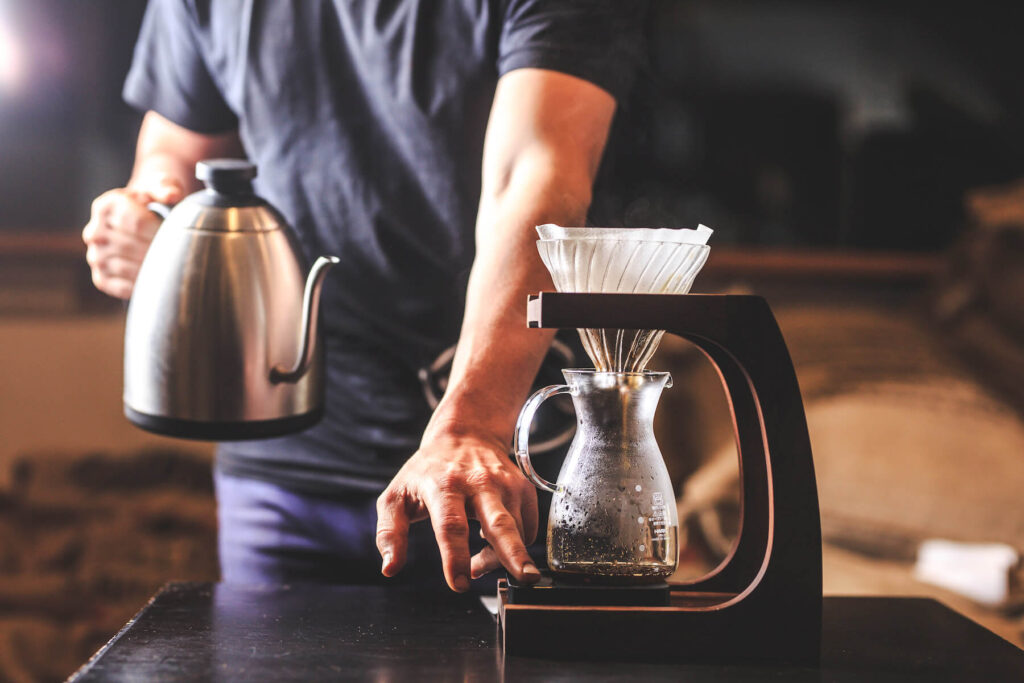
- Gooseneck Kettle: Great for pour-over and precise tea pours.
- Kitchen Scale: Ideal for accurate tea and coffee measurements.
- Thermometer: Ensures correct steeping temperatures.
- Grinder: Freshly ground coffee enhances flavor significantly.
5. Common Brewing Mistakes to Avoid
Avoiding these pitfalls can instantly enhance your brewing experience:
- Using stale coffee or tea: Always use fresh leaves or beans.
- Incorrect steeping time: Over-steeping makes tea bitter, under-steeping makes it weak.
- Wrong grind size for coffee: Affects extraction and flavor.
- Hard water: Leads to off-flavors and scum on the surface.
6. Embrace the Ritual and Experiment
Brewing is not just science—it’s also ritual and sensory pleasure. Take time to smell the leaves, listen to the kettle boil, and watch the infusion unfold.
Try brewing the same tea or coffee using different methods and compare results. You’ll find that taste changes dramatically depending on the technique, water, and tools.
Furthermore, combining the techniques from various cultures can give your daily brew a truly global flair.
Conclusion: Master the Brew, Explore the World
From the elegant Japanese matcha ceremony to the bold intensity of Turkish coffee, each brewing method brings a unique cultural story to your cup. Learning how to brew the perfect cup is not only about taste—it’s about experiencing the world through flavor, aroma, and ritual.
Experiment with these techniques in your own home, and don’t be afraid to personalize your process. Whether you’re steeping tea or pulling espresso, let each cup be a celebration of global craftsmanship and mindful preparation.
Looking to take your coffee journey even further? Be sure to explore our list of Top International Coffees to expand your flavor horizons and brew with confidence.